
When Finning – the UK’s largest dealer of CAT engines – set out to develop a new generator-based power unit for OEM applications, they had a very clear objective: operational versatility.
The unit was designed to power large electric-drive machinery such as screens and crushers – equipment that operates in demanding environments where reliability, serviceability, and adaptability are critical.
Finning brought deep technical knowledge and a clear vision. They understood the real-world challenges their customers face on-site and wanted to reflect that in the product from day one.
For Amcanu, this wasn’t just an opportunity to design and manufacture an enclosure. It was an opportunity to engineer a smarter, more flexible solution…

At the heart of the brief was a deceptively simple requirement: Create one standard power unit that could be configured for multiple applications. In practice, this introduced a significant and complex challenge.
The unit needed to work seamlessly in both left-hand and right-hand configurations – allowing it to be paired with a wide range of machinery. Crucially, this flexibility couldn’t come at the expense of usability for operators and engineers in the field.
Finning also wanted flexibility in when the configuration decision could be made, either being specified at the point of manufacture, or even adapted on-site, by engineers changing the unit to suit the application.
This meant the design couldn’t just be adaptable – it had to be practically reconfigurable, without adding unnecessary complexity or downtime.

The solution emerged through a combination of engineering insight, collaborative working, and a relentless focus on usability.
Key engine components were carefully repositioned within the enclosure to support dual-orientation layouts. This ensured that whichever configuration was selected, the unit remained logical, accessible, and service-friendly.
The enclosure itself was designed as a fully-modular system – allowing panels and doors to be easily swapped depending on the required configuration.
This modularity meant the enclosure wasn’t just adaptable – it was intuitively configurable.
Rather than treating access as an afterthought, it became a core design principle. Every decision was guided by real-world practical use.
The result was a unit that engineers could understand immediately – and work with confidently.
Working with Finning brought a level of clarity that elevated the entire project. Their detailed technical knowledge and access to comprehensive data made for a dream engineering design project.
This allowed both teams to focus fully on delivering the objective – not just interpreting it.
Projects like this are incredibly rewarding. They go beyond simply creating a well-engineered product. From the outset, we were thinking about the operators and their need for genuine flexibility without unnecessary complexity. Finning brought a clear vision and a deep understanding of their customers, which meant we could focus entirely on delivering a great solution. I’m really proud of this project. The final unit literally has versatility built into the DNA of its design.
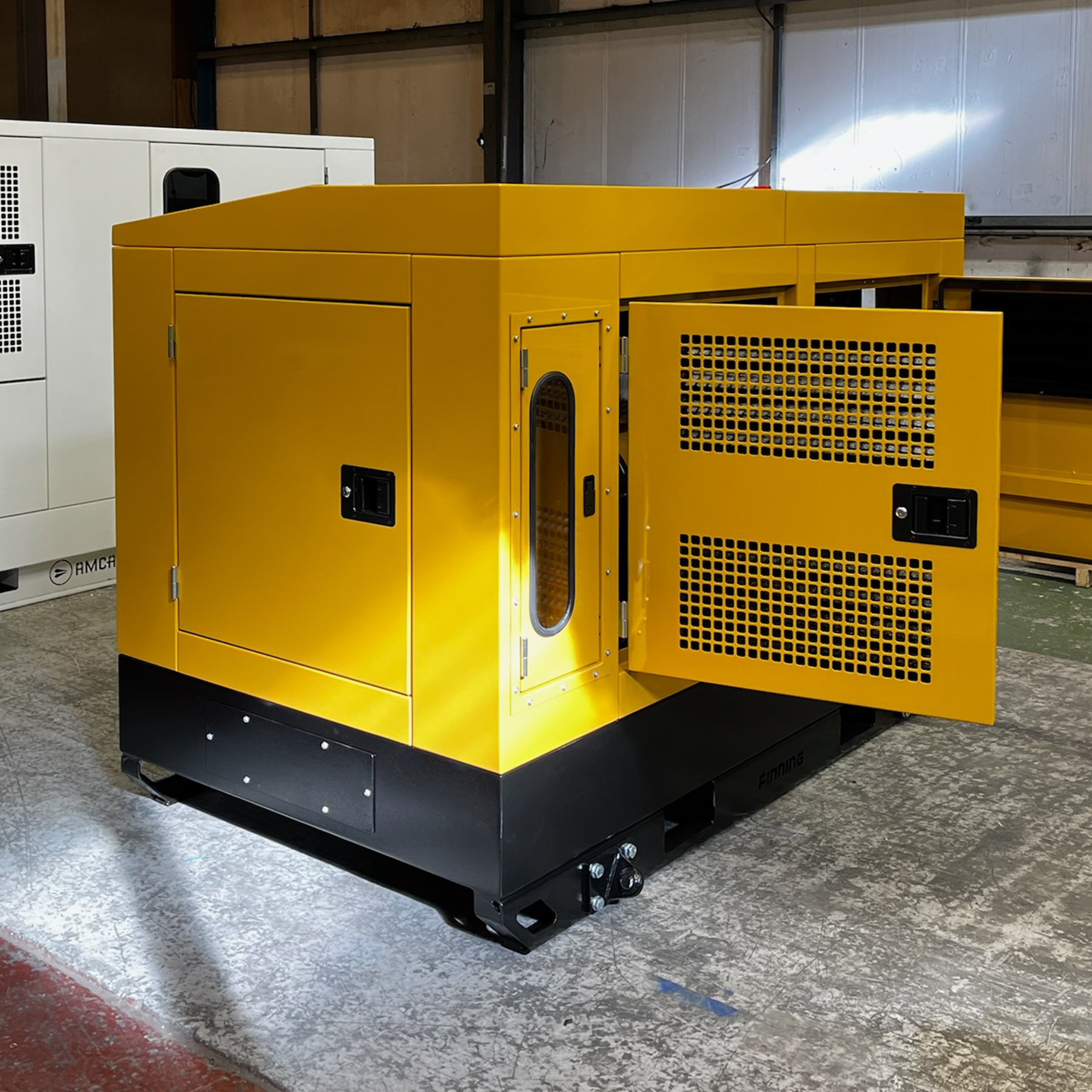
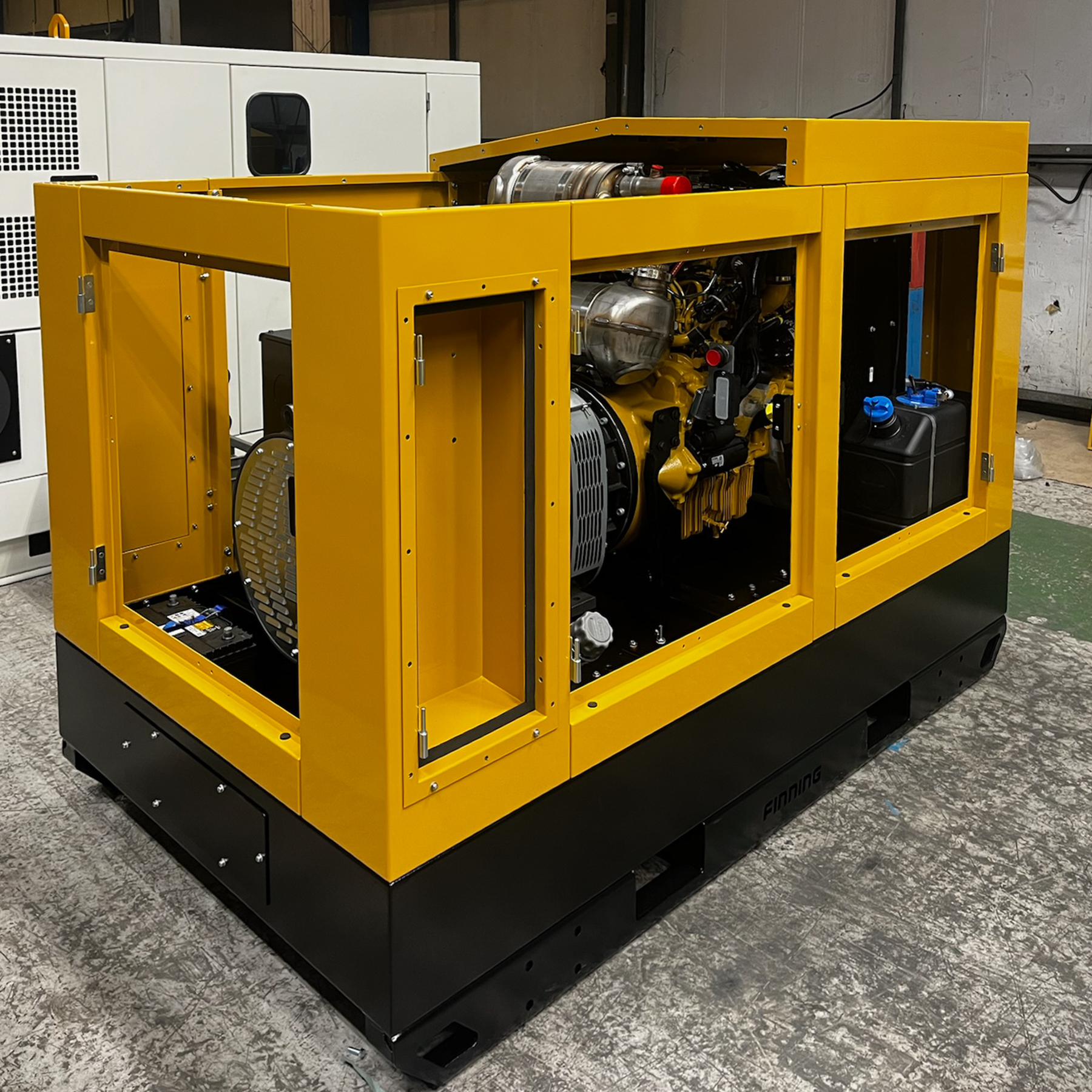
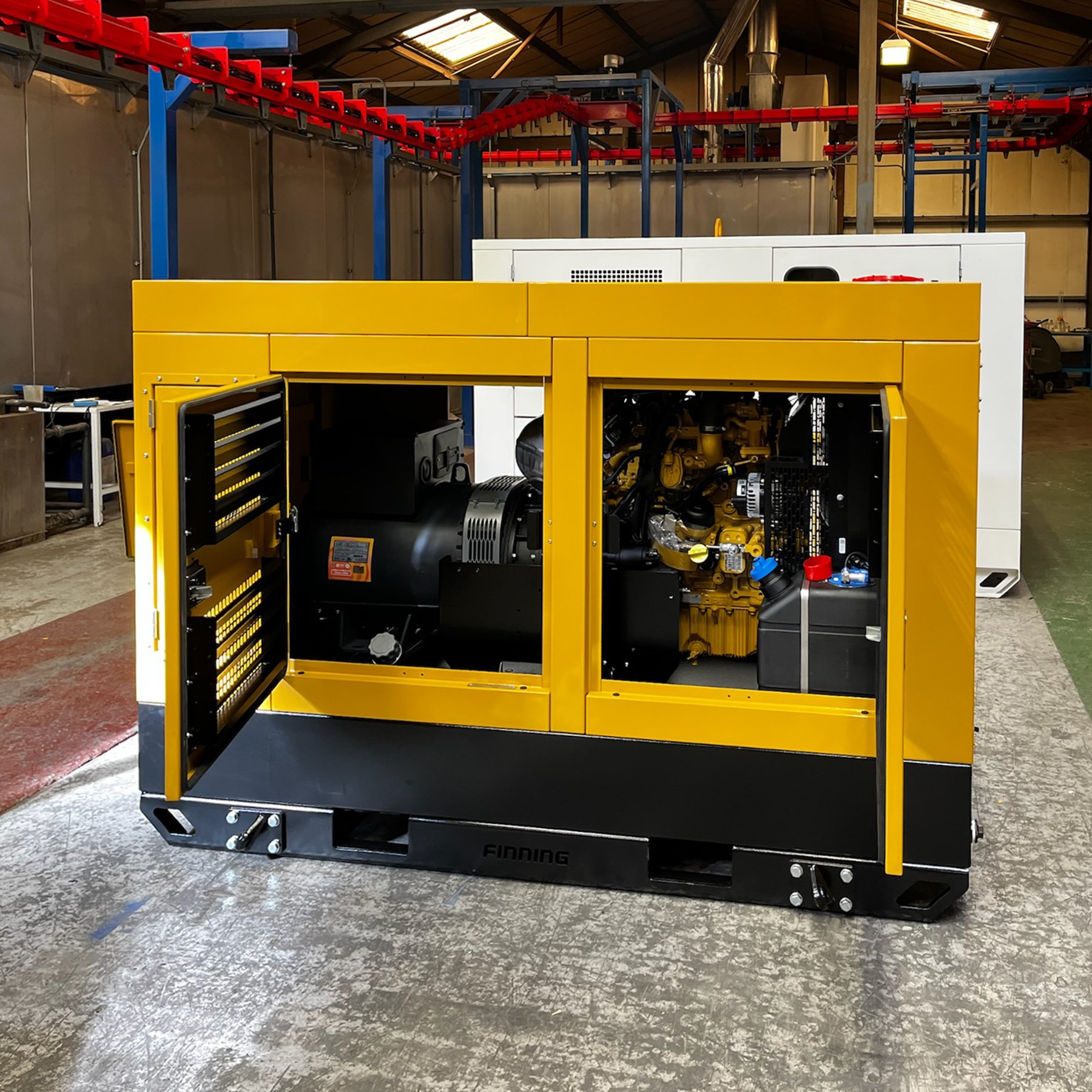
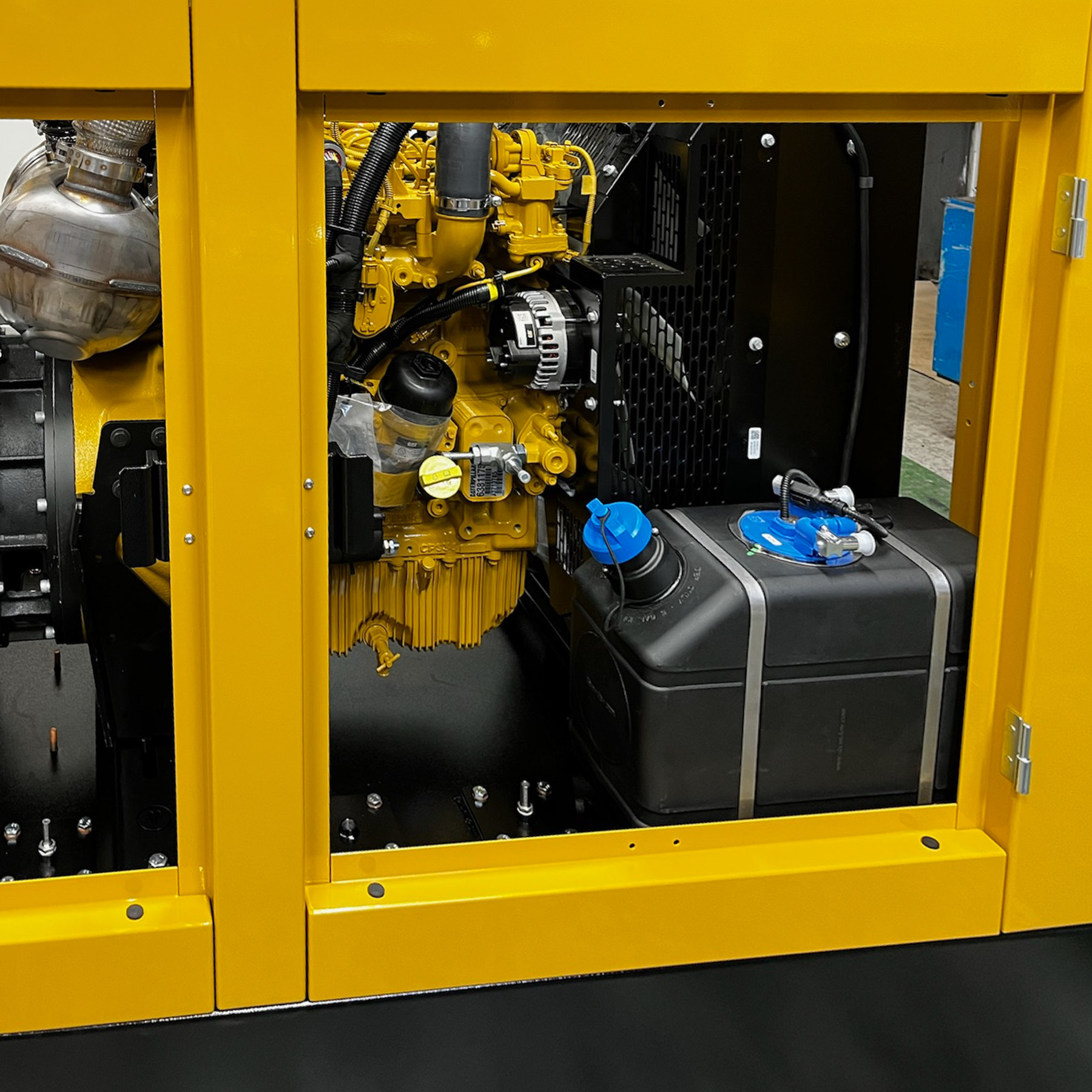
The final product is a robust, highly adaptable power unit enclosure with versatility engineered into its core.
Most importantly, the design achieves something that’s often overlooked: Flexibility without complexity.

By embedding versatility into the design from the very beginning, the solution avoids the need for workarounds later – delivering real value in the field, where it matters most.
If you’re developing equipment that needs to perform reliably in real-world conditions – and adapt to them – we’re here to help!

